The energy sector is undergoing one of the most significant transformations in its history. From the rapid adoption of renewables to the decentralisation of grids and the electrification of transportation, the industry is navigating a landscape that is more complex, data-driven, and fast-moving than ever before. Traditional systems, designed for predictability and stability, are struggling to keep up.
This is where artificial intelligence is emerging, not as a futuristic concept, but as a practical and powerful tool for today's challenges.
"AI is the key to unlocking the full potential of renewable energy. It allows us to manage intermittent power sources with a level of precision and agility that was previously impossible," says Raúl Gil García, CEO of Unatec.
Where AI is Already Making a Difference
AI is already being used to tackle some of the biggest challenges in the energy sector today.
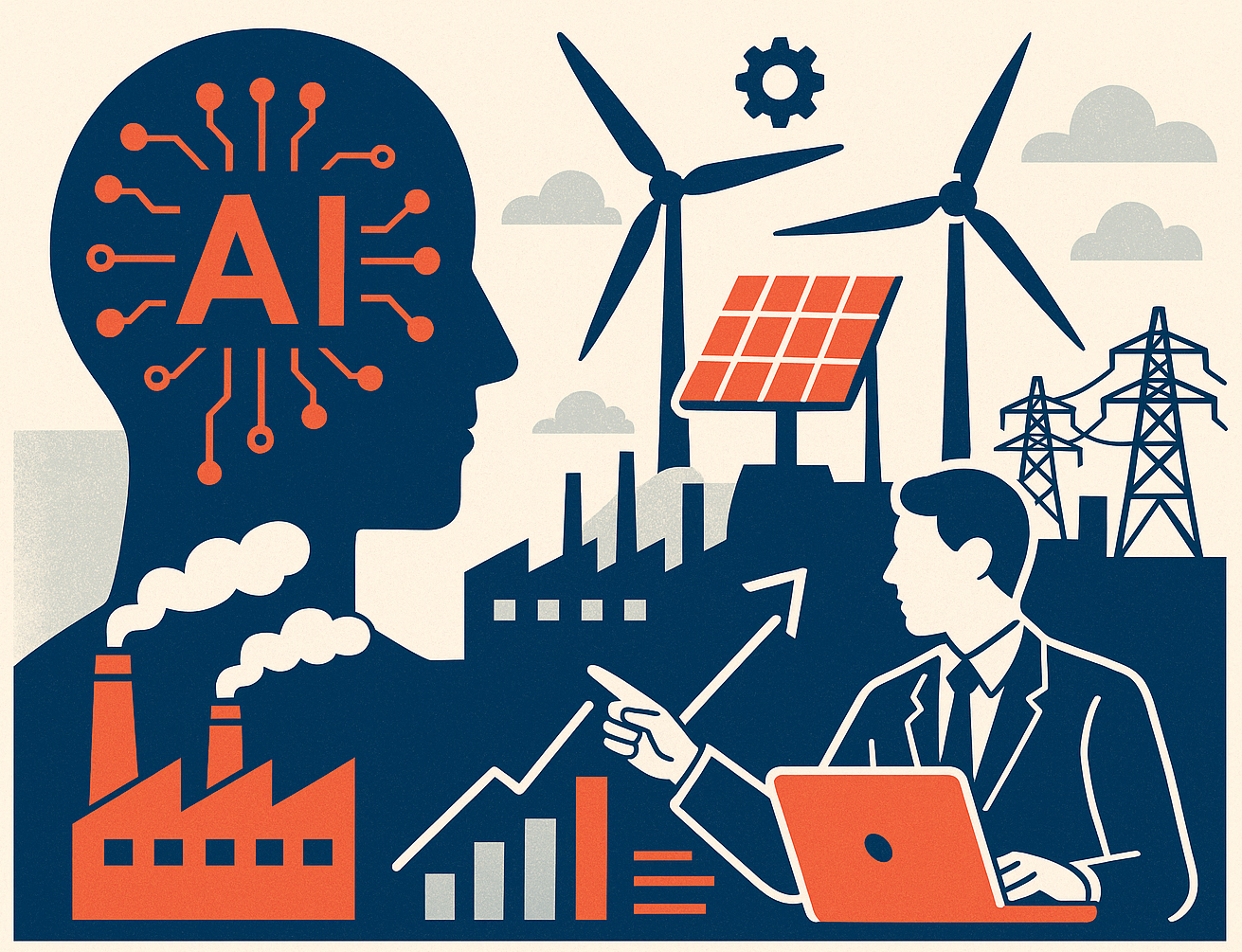
Demand forecasting is a prime example. Fluctuating consumption patterns, driven by everything from weather shifts to EV charging habits, make it more complicated than ever to predict energy needs. AI models can process vast amounts of historical, environmental, and behavioural data to forecast demand with remarkable accuracy, allowing operators to adjust in real-time.
Predictive maintenance is another critical area. Downtime is costly, especially when it impacts essential infrastructure. AI-driven analytics can detect subtle patterns in equipment performance, predicting potential failures before they occur. This reduces outages, optimizes maintenance schedules, and extends the lifespan of assets.
With renewables feeding intermittent power into the grid, balancing supply and demand has become a moving target. AI algorithms are essential for grid optimization, helping to dynamically allocate resources, prioritize efficiency, and prevent overloads.
Finally, in the fast-moving world of energy trading, AI can monitor market data, fluctuations, and environmental inputs to enable smarter, real-time decisions for energy pricing and transactions.
Bridging the Gap Between AI Potential and Reality
The potential of AI in the energy sector is undeniable, but success isn't simply a matter of buying a platform or turning on an algorithm. Raúl Gil García emphasises this point, stating:
"The real challenge is not the technology itself, but the integration. AI models need to be built with a deep understanding of the industry's unique challenges, from legacy systems to strict regulations."
For AI to be effective, data must be accurate, relevant, and accessible. AI models need to be integrated into existing operational systems, and the tools must be designed for the specific realities of energy production, storage, and distribution – not generic use cases. Without these foundations, AI projects risk becoming expensive experiments with little impact.
Making AI Work in the Real World
At Unatec, we believe the real value of AI comes when it's custom-built to fit an organisation's infrastructure, workflows, and compliance requirements. That's why we help energy companies build tailored IT solutions that solve their most pressing challenges.
Whether it's creating predictive models for grid operators, developing monitoring dashboards that integrate multiple data sources, or embedding AI into existing platforms, our goal is always the same: make technology usable, reliable, and impactful from day one.
"The energy sector is complex, and the solutions need to be equally sophisticated and customised," García added.
If you're ready to explore how AI can transform your operations, get in touch!