Faced with the logistical and security challenges of managing thousands of physical keys across Spain, energy company Naturgy set out to modernize how contractors and staff access its transformation centers. To do so, the company turned to its long-time partner, Unatec, to develop a smart lock access management system that would replace physical keys with mobile-based authentication.
Naturgy operates a vast network of electrical substations and underground transformation centers across Spain, many in hard-to-reach or low-connectivity areas. These sites require regular access from both staff and external contractors, each of whom previously relied on physical keys to enter.
"This model wasn't scalable. Keys were lost, access couldn't be revoked in real-time, and you couldn't easily track who had entered where," says Rosa Moya Carreras, project manager and team lead at Unatec.
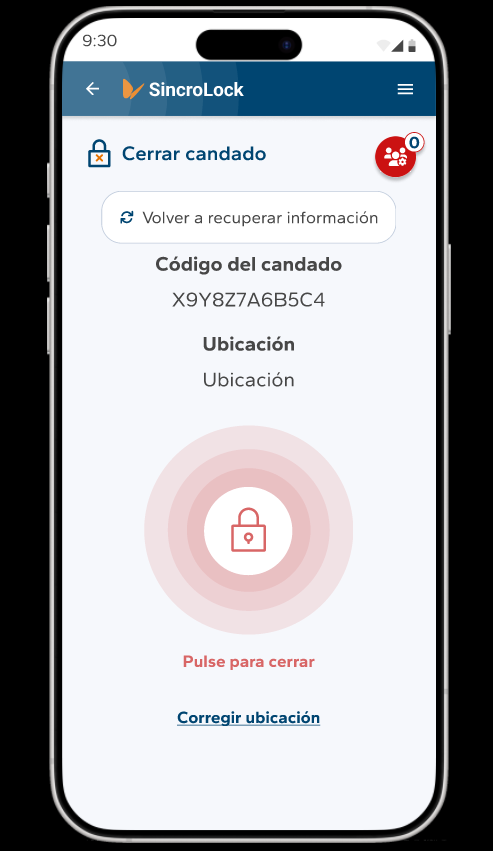
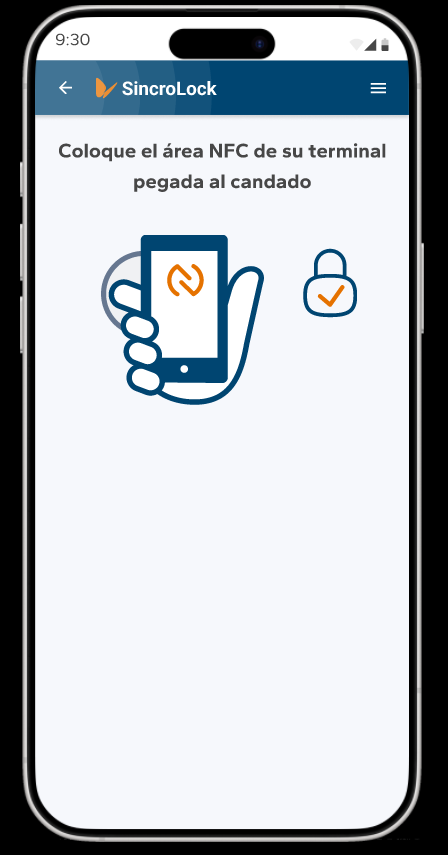
To tackle this, Naturgy adopted a digital-first solution: battery-free ILOQ smart locks powered by NFC, combined with a mobile and web-based management system developed by Unatec. The app replaces keys entirely and works even in areas without connectivity, unlocking infrastructure securely with just a tap of a mobile phone.
Built for Scale, Designed for Control
Unatec's solution combined physical and digital components into one unified platform:
- Web Controller Platform: The web interface provides the map view and lock status monitoring capabilities, giving administrators full visibility of all connected devices. It also enables them to manage users, configure permissions, block or revoke access when necessary, monitor access logs, and generate reports. All contractors are synced automatically from Naturgy's existing Acredita system.
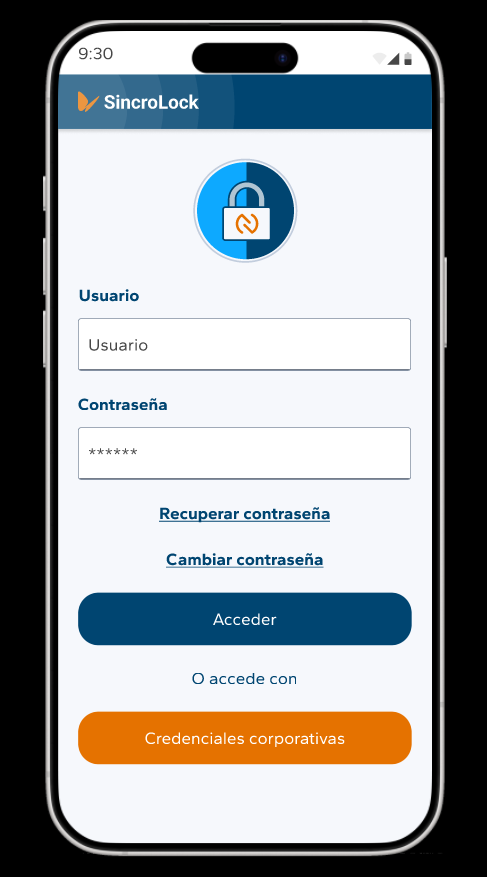
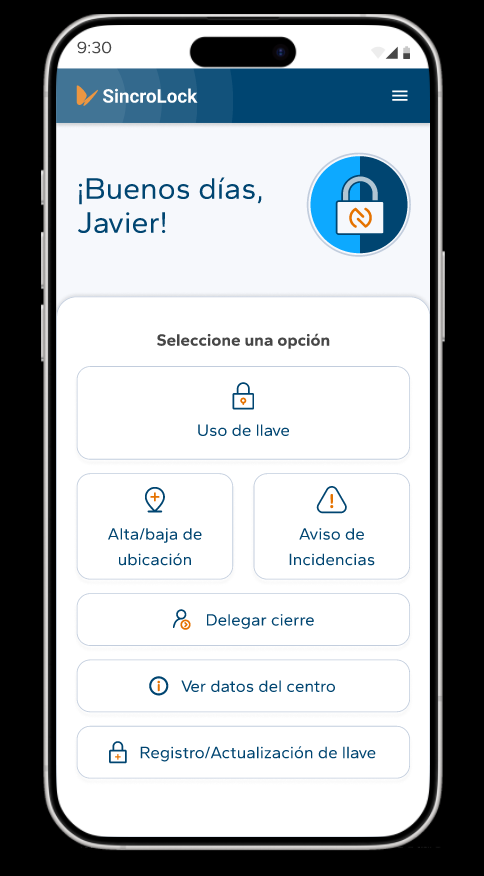
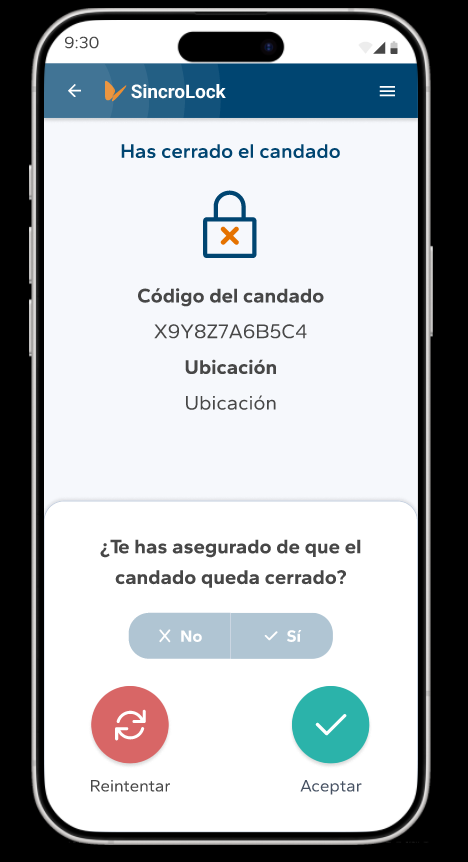
- Mobile App (Android): Instead of showing authorized lock locations on a map, the app focuses on field operations — allowing users to register new installations, configure or install new locks on-site, and open or close them via NFC. Users log in through federated access or automatic contractor onboarding, and access is granted only if daily safety checks and documentation are valid.
- Offline Functionality: Since many sites are underground, the app saves access data and permissions for 24 hours, ensuring users can open locks without active internet – then syncs data once back online.
- Hardware Simplicity: ILOQ's smart locks are batteryless and retrofit-friendly. They require no cabling, drilling, or power connection—simply replace the cylinder and pair it through the app.
"This approach drastically reduced deployment complexity. You don't need to ship keys, install card readers, or ensure site connectivity. The phone becomes the brain of the system," explains Moya Carreras.
To meet the client's requirements, Unatec built the mobile app using .NET MAUI, integrating native Android NFC capabilities and syncing with ILOQ's SDK. The team also collaborated closely with ILOQ, leveraging their APIs and learning the nuances of secure, batteryless lock technology.
"Integrating native NFC communication within the .NET MAUI framework was a technical challenge," explains Moya Carreras. "But it was also a great opportunity to push the boundaries of what cross-platform mobile development can do."
Built Once, Deployed Fast
The platform is already attracting interest from other companies who face similar access control issues. With a robust foundation in place, Unatec is ready to deploy tailored versions of the smart lock system for clients across Spain and abroad.
The smart lock platform was completed over a six-month development timeline. But future deployments for other clients will take significantly less time.
"We've modularized the system. Now that we've built the core, it can be reused with minor adaptations for other companies," says Moya Carreras.
The core of the platform is universal. Only the corporate systems and access rules vary from client to client, making it a repeatable solution with wide applicability across industries like utilities, transportation, and energy infrastructure.
"This system combines hardware innovation with software flexibility," Moya Carreras concludes. "It's secure, scalable, and most importantly – it works in the real world, where infrastructure is remote, underground, and constantly changing."